
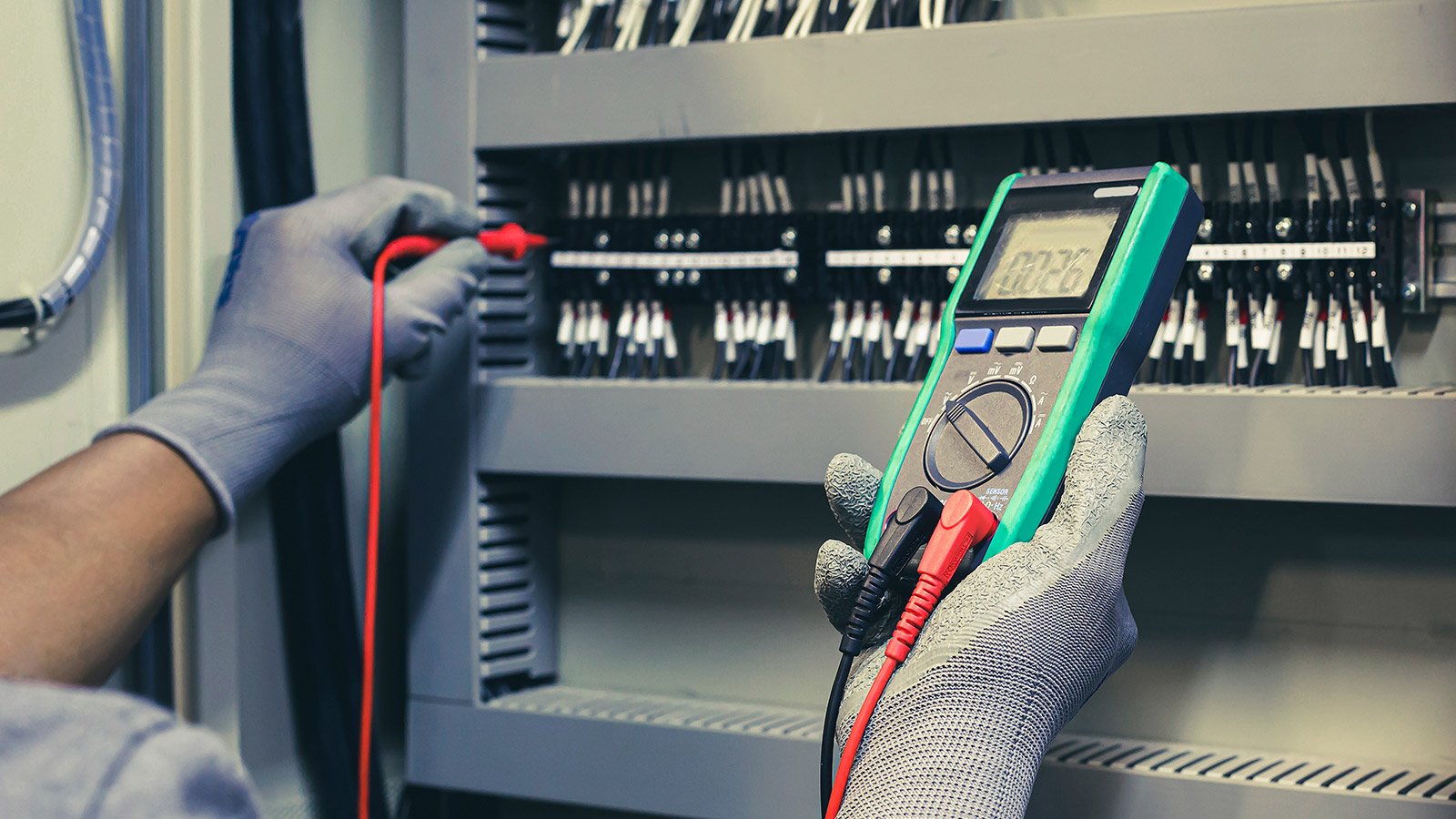
Recruiting that wires the future.
Journeyman and master electricians, foremen, project managers, low-voltage specialists. Electrification is exploding - EV charging, data centers, grid modernization. We keep your bench full as the work accelerates.
How do you hire commercial electricians in 2026?
Commercial electrical hiring in 2026 is being reshaped by three simultaneous demand shocks: data center construction, EV infrastructure buildout, and building electrification. Together, they are outpacing the apprentice-to-journeyman pipeline. Journeyman wages have crossed $100,000 in major data-center metros and master electricians command 30-40% premiums over 2023 baselines. The tightest bottleneck is master electricians and senior project managers with commercial portfolios; contingency recruiters and job boards can no longer fill those roles reliably. Successful commercial electrical contractors are moving to always-on talent pipelines instead of reactive posting. My Trade Talent maintains a live pipeline of vetted apprentices, journeymen, masters, foremen, PMs, low-voltage specialists, and estimators across 100+ US markets so open roles fill in weeks, not months.
Demand is outpacing the apprentice pipeline.
EV infrastructure, data center construction, electrification of buildings and transit, and grid modernization have created sustained demand for electrical talent at every level. The apprentice-to-journeyman pipeline cannot fill the gap.
Journeyman wages have crossed $100K in major metros.
In high-demand markets - especially around data center clusters and EV plant builds - journeyman electricians are crossing the $100,000 base salary threshold for the first time. Master electricians and senior PMs in those same markets command 30-40% premiums over what was normal three years ago.
Low-voltage and specialty work - fire alarm, security, access control, structured cabling - is its own constrained labor pool. Firms that can recruit across both line voltage and low-voltage specialties have a meaningful competitive advantage in commercial and institutional bid work.
Workforce age · BLS 2025
This trade is 2.5 years younger than the American workforce as a whole, not older. The people entering it are not in short supply. The people who supervise it are another 6.8 years further on. That gap is where hiring gets hard: you can find technicians, and you cannot quickly find someone who has been doing it long enough to run a crew.
Promoting from inside takes as long as it takes. If you need someone who can run work now, you are hiring from a pool of people who already have jobs, which is a different job than posting a listing.
Source: U.S. Bureau of Labor Statistics, Current Population Survey, Table 11b (2025 annual averages). See all 20 trades compared →
The 10 most-recruited Electrical roles.
These are the positions we maintain active pipelines for in commercial electrical. Each role has its own market dynamics - credentials, comp ranges, time-to-fill - and we know them all.
Not a generic capability claim — pulled from our own placement record. A sample:
Three resources to hire smarter in Electrical.
Each one is built specifically for commercial electrical contractors - not generic recruiting advice. All free. Written by people who do this work every day.

18 pages of practical strategy on hiring, retaining, and building a pipeline of commercial electrical talent. Compensation benchmarks, role-specific recruiting playbooks, and a candid look at what works.
Download whitepaper →
Compensation benchmarks for all 10 Electrical positions across 9 U.S. Census Divisions. Built from BLS Occupational Employment Statistics data plus our own placement records.
Download salary guide →
A simple, practical framework for interviewing commercial electrical candidates. Three structured steps to evaluate technical fit, motivational fit, and culture fit, without wasting your time or theirs.
Download interview guide →Hiring questions for Commercial Electrical
How much do commercial journeyman electricians make in 2026?
In high-demand markets, especially around data center clusters and EV plant builds, journeyman electricians are crossing the $100,000 base-salary threshold for the first time. Journeyman wages are growing 8-12% year over year in those hot markets as electrification demand outpaces the apprentice pipeline. Our 2026 Electrical Salary Guide benchmarks all 10 positions across nine U.S. Census Divisions so you can build offers that hold up regionally.
How long does it take to hire a master electrician?
Master electricians are among the hardest hires in commercial electrical, with time-to-fill running 60-90 days because the master credential is the highest field license and the pool is thin. Around data center work, master electricians and senior PMs are commanding 30-40% premiums over what was normal three years ago. My Trade Talent maintains an active pipeline of licensed masters so you are not waiting out a months-long cold search.
Why is electrical talent so hard to find right now?
EV charging infrastructure, data center construction, building and transit electrification, and grid modernization have created sustained demand for electrical talent at every level, and the apprentice-to-journeyman pipeline simply cannot fill the gap. That mismatch is pushing wages up double digits in the hottest markets and lengthening every search. We recruit continuously across the trade so your bench stays full even as the work accelerates.
Should an electrical contractor recruit for low-voltage as well as line-voltage roles?
Yes. Low-voltage and specialty work, including fire alarm, security, access control, AV, and structured cabling, is its own constrained labor pool separate from line-voltage trades. Firms that can recruit across both have a meaningful edge in commercial and institutional bid work. My Trade Talent pipelines both line-voltage roles and low-voltage and specialty techs (BLS 49-2098) so you can staff the full scope of a project.
How does a flat-rate recruiting pipeline compare to contingency fees for electrical hires?
Contingency recruiting charges a large percentage fee on each placement and restarts every search, so your costs rise with hiring volume while seats stay open and crews stretch thin. A flat-rate pipeline keeps vetted electricians, foremen, and PMs ready ahead of need, delivering faster fills at a predictable cost. My Trade Talent runs continuous pipelines across the roles you hire most, from apprentices and journeymen to senior project and operations managers.
Commercial Electrical hiring intel, by metro.
Each of these market pages covers current wages by role, real hiring conditions, and what it takes to win the hire in that specific metro.
Every hire from zero is a tax on your team.
Every week a seat sits open, the rest of your people are covering for it. Every contingency fee you pay is money that didn't go toward growth. There's a better model. Let's build your pipeline.
Schedule a Discovery Call


