

Commercial Plumber Salary + Interview Questions (2026)
What master and journeyman plumbers earn in 2026, plus the interview questions that predict who actually stays on your crew.
Commercial plumbing compensation in 2026 has separated cleanly between journeyman and master tiers, and the medical-gas and fire-protection adjacencies are paying premiums neither tier earned five years ago. This guide breaks down 2026 pay and the interview questions that actually predict who stays past month 11.
Master plumber vs. journeyman plumber salary (2026 national ranges)
- Journeyman plumber (commercial, non-union): $65,000–$95,000 base.
- Journeyman plumber (union, commercial): $78,000–$115,000 base plus benefits package.
- Master plumber: $85,000–$130,000 base; major metros and union supervisory roles exceed $145,000.
- Service plumber (residential + light commercial): $58,000–$88,000 plus on-call premium and service bonuses.
- Plumbing project manager (commercial): $95,000–$145,000 base.
- Plumbing service manager: $90,000–$135,000 base plus performance bonus.
- Specialty premiums: medical-gas certified $10–18/hr above journeyman; backflow certified $4–8/hr; sprinkler/standpipe crossover $5–10/hr.
This isn't a generic capability list. Among the commercial plumbing roles we've directly placed: Commercial Journeyman Plumber, Commercial Plumber/Pipefitter, Pipefitter, Pipe Welder, Plumbing Estimator, Plumbing Designer, Journeyman Service Plumber, and Plumbing Account Manager.
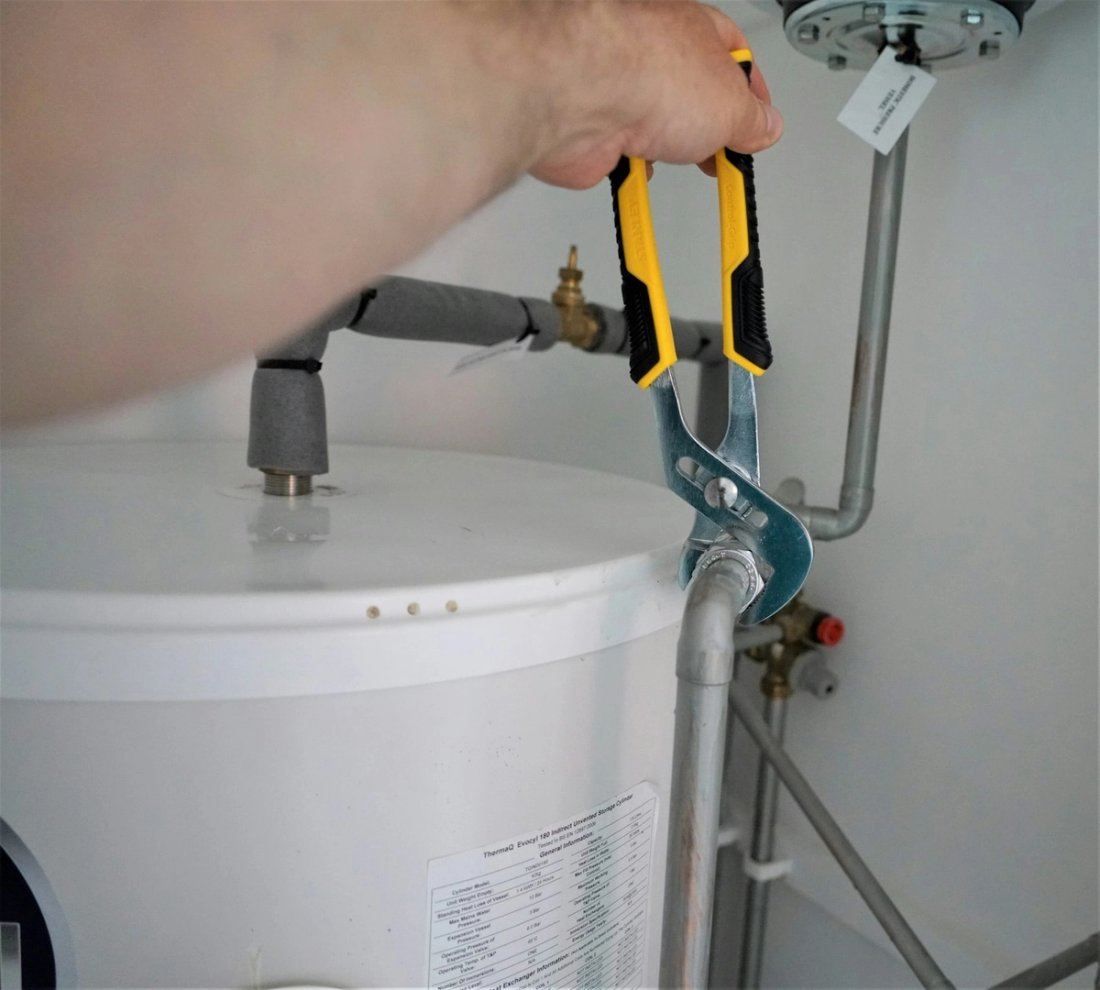
What separates a journeyman from a master plumber
A journeyman has completed an apprenticeship and can work independently. A master has additional years and has passed a more advanced state exam - and is typically the only one who can pull permits, supervise other plumbers, and run a commercial install in most jurisdictions. The salary differential reflects what the license actually unlocks.
Plumber interview questions that actually predict who stays
Years of experience are a proxy. Judgment is the real thing. Questions that separate the two:
- "Walk me through the last permit inspector who failed your work. What happened, what did you learn?" - exposes ownership.
- "Describe a job where the design did not match field conditions. What did you do?" - exposes problem-solving and communication.
- "How do you decide whether a service call needs an estimate before you start?" - exposes business sense, not just trade skill.
- "Tell me about a crew member you trained. What was easy, what was hard?" - predicts mentorship and lead-tech potential.
- "What is the worst on-call rotation you have worked? Why did you stay or leave?" - predicts retention.
Good plumbers answer these with specific examples. Less-experienced ones answer in generalities. The difference is obvious in 20 minutes.
Why commercial plumbing turnover stays high
It is rarely because the work is hard - they expected that. They leave because of scheduling chaos, dispatch that does not sequence calls by location, on-call rotations that do not actually rotate, and trucks loaded reactively instead of proactively. Plumbers stay where the day is predictable, the rotation is fair, and the materials are on the truck before the first call.
How to find the plumbers who are not applying
The best commercial plumbers in your market are working for a competitor, at a union hall, or running a small shop they are tired of running. They are not on Indeed. Reaching them takes outbound: real phone calls, real LinkedIn outreach, real follow-up over months. Most internal teams cannot sustain that pace alongside operating the business. Partnering with a firm that does this every day is often the difference between a 90-day vacancy and a two-week vacancy.
Frequently asked questions
What does a commercial plumber earn in 2026?
Journeyman commercial plumbers typically earn $70,000–$95,000 base in 2026 depending on market. Medical-gas certified plumbers and senior service-side plumbers can run $100,000–$120,000+ because the credentials are scarce and the work is high-margin.
How do you retain commercial plumbers?
The single biggest retention factor is schedule predictability - calls coming in after 4 p.m. with no end in sight is the most-cited reason commercial plumbers leave. Fair on-call rotations, loaded trucks at start of shift, and visible internal promotion to lead and service-manager seats keep them in place.
What is the difference between a journeyman and master plumber?
A journeyman has completed an apprenticeship and can work independently. A master has additional years and passed a more advanced exam - and is typically the one who can pull permits and supervise other plumbers in most jurisdictions.
Which plumbing certifications are most valuable to hire for?
Medical-gas certification (healthcare work, high margin), backflow prevention (required in most municipalities), sprinkler and standpipe experience (fire-protection adjacency), and TIG/stick welding tickets for industrial work. Each of these signals where someone has actually spent recent years.


Keep going.
Tools, guides, and side-by-side comparisons that pair with this article.
2026 Salary Calculator
Role × experience × region → 2026 base-salary range. Pairs with every article.
Open the calculator →Cost of Vacancy Calculator
Estimate what that open seat has cost you so far. Most decisions look different after this.
Run the math →Commercial Plumbing - Whitepaper
Industry hiring analysis - labor market, credentials, what works.
Get the download →Commercial Plumbing - Salary Guide
What this trade's roles actually pay - by region and credential level.
Get the download →Commercial Plumbing - Interview Guide
Role-specific interview questions and a vetting framework.
Get the download →My Trade Talent vs Contingency Recruiters
An honest side-by-side: cost, time-to-fill, incentive alignment, predictability.
Read the comparison →My Trade Talent vs Staffing Agencies
Direct hire vs temp / contract-to-hire - hourly mark-ups, buyouts, loyalty problem.
Read the comparison →My Trade Talent vs Internal Recruiting
What DIY recruiting really costs once leadership time is priced in.
Read the comparison →