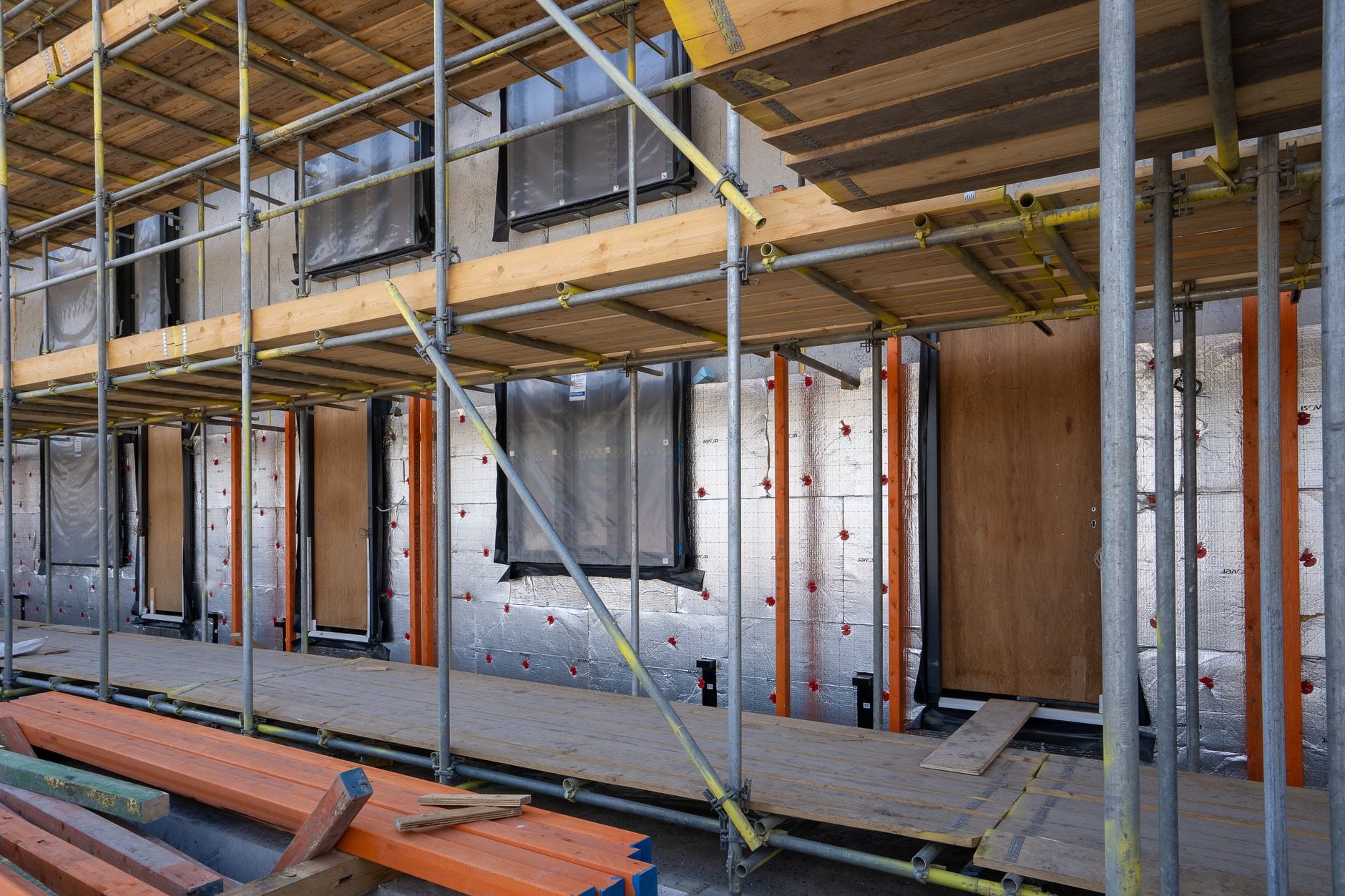
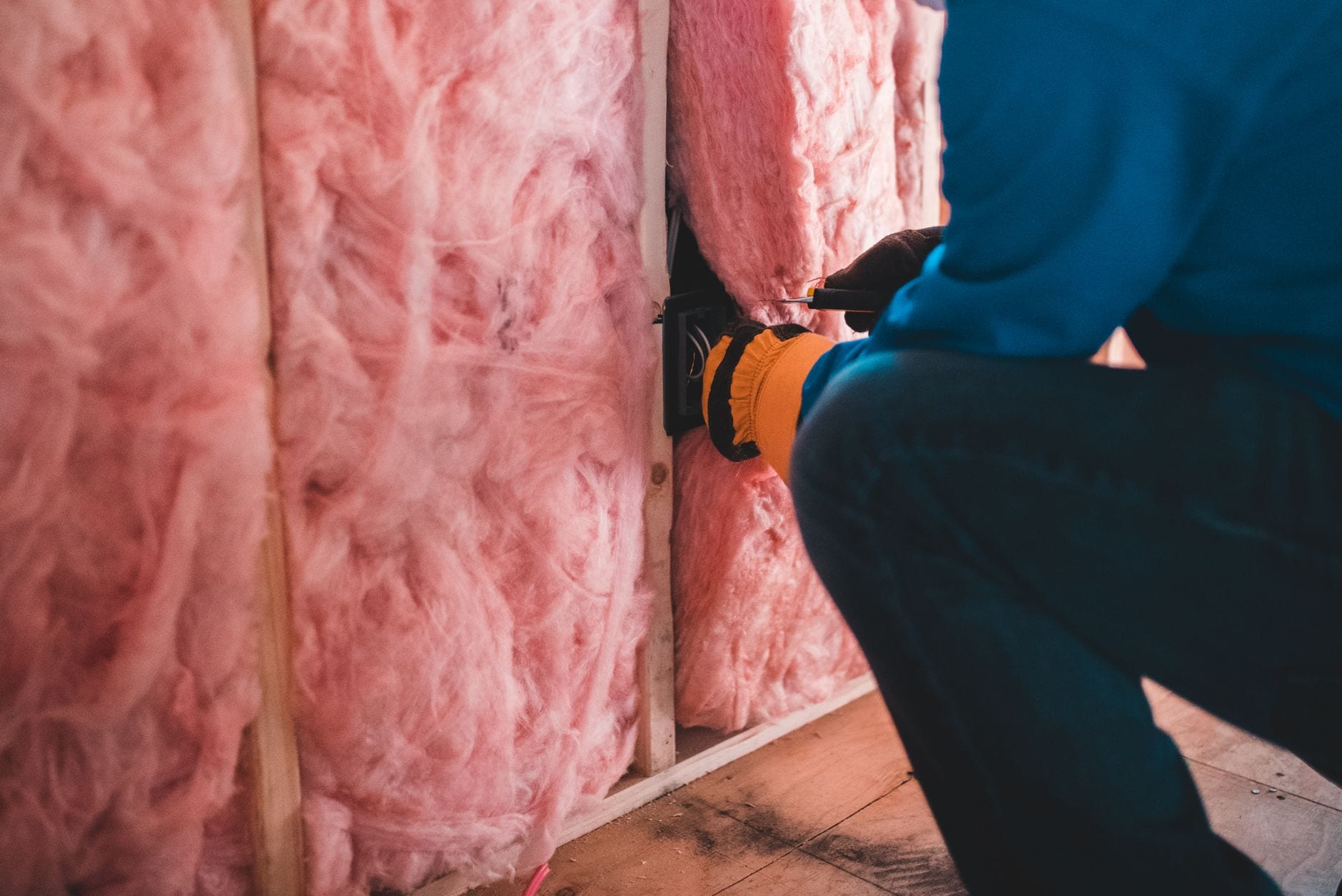
Insulation hiring kit

How to hire for Insulation.

To hire for insulation well, My Trade Talent's Insulation hiring kit takes all 2 roles we recruit in order: what each seat is and what it pays, the technical questions that test it, the 4 credentials to verify, and what can kill the offer between acceptance and the first day.

2 roles: Insulation Worker, Mechanical, Insulation Worker, Floor/Ceiling/Wall. Free, with nothing to fill in. If you would rather a recruiter ran the search, that is the Insulation recruiting page.

Step 1 · Plan

What each insulation seat is, and what it pays.

Each band is labelled with where it comes from. A My Trade Talent band is mid-experience, built from our own engagement history, and moves with experience and region. A BLS band is the federal 10th to 90th percentile, national and unadjusted, used where we have not closed enough searches in the trade to publish our own.

Insulation roles, pay bands and credentials
RolePay bandCredentials that move an offer
Insulation Worker, MechanicalInsulates mechanical systems: piping, ductwork, equipment and vessels, hot and cold, with fibreglass, mineral wool, cellular glass or elastomeric systems and the jacketing that protects them. $42,470 to $100,220Federal figures: BLS Occupational Employment and Wage Statistics, May 2025, national, SOC 47-2132. The range is the 10th to 90th percentile and the median is $58,340. It is not adjusted for experience or region, and it is not a My Trade Talent band. None that reliably moves an offer
Insulation Worker, Floor/Ceiling/WallInstalls thermal and acoustic insulation in building assemblies: batt, blown, rigid board and spray foam in walls, floors, ceilings and attics, with the air sealing and fire-stopping that goes with them. $37,030 to $78,190Federal figures: BLS Occupational Employment and Wage Statistics, May 2025, national, SOC 47-2131. The range is the 10th to 90th percentile and the median is $49,120. It is not adjusted for experience or region, and it is not a My Trade Talent band. None that reliably moves an offer

We publish no insulation median of our own yet, so this is the all-trades figure: My Trade Talent's median commercial trades hire took 21 days across 88 searches closed in 2026 year to date, counted as calendar days from our first contact with the candidate to the hire. The full distribution is in the Hiring Index.

Price the seat by experience and region in the salary calculator, and work out what leaving it open costs in the cost of vacancy calculator.

Step 3 · Interview

How to interview for each insulation role.

Everyone who applies will claim the experience. These are the questions that test it, the signals that separate a strong candidate from a plausible one, and the mistake each seat invites.

Insulation Worker, Mechanical

BLS 10th to 90th percentile

Insulates mechanical systems: piping, ductwork, equipment and vessels, hot and cold, with fibreglass, mineral wool, cellular glass or elastomeric systems and the jacketing that protects them. On chilled systems the vapour barrier is the whole point, because a break in it condenses inside the insulation.

Questions that find out

  1. How do you insulate a chilled water line so it does not sweat inside the jacket?
  2. Which material for a 450 degree steam line, and why not fibreglass?
  3. How do you build a removable cover for a valve that gets serviced?

What a strong candidate shows

  • Vapour barrier integrity described as the controlling detail on cold work
  • Knows which material goes on which service temperature rather than using one system everywhere
  • Fitting work - elbows, valves, hangers, removable covers - described as the skilled part

The mistake this seat invites. Treating mechanical and building insulation as the same trade. Mechanical insulation is fitting work on live systems with material selection attached, and it is the better-paid side.

Insulation Worker, Floor/Ceiling/Wall

BLS 10th to 90th percentile

Installs thermal and acoustic insulation in building assemblies: batt, blown, rigid board and spray foam in walls, floors, ceilings and attics, with the air sealing and fire-stopping that goes with them. On commercial work, inspection against the energy code is routine.

Questions that find out

  1. How do you insulate and air seal a rim joist so it passes inspection?
  2. What do you do where insulation meets a rated wall penetration?
  3. What goes wrong with batt installation that still looks finished?

What a strong candidate shows

  • Air sealing treated as part of the install rather than a separate trade
  • Knows the fire-stopping and draft-stop requirements at penetrations and rated assemblies
  • Spray foam work stated with the training and respiratory protection it requires

The mistake this seat invites. Assuming any insulation experience covers it. Compressed or gapped batts pass a glance and fail the blower door, and inspectors increasingly check.

Every role in every trade is in the interview question bank.

Step 4 · Offer

What can kill a insulation offer before day one.

The things that end an accepted offer between the yes and the start date, specific to this trade and each sourced.

  • Medical surveillance can disqualify after the offer

    OSHA requires medical surveillance for anyone doing 30 or more days a year of Class I, II or III work or exposed above the limit, and separately, with no day threshold, requires that anyone wearing a negative pressure respirator be found physically able to do the work. A candidate can accept and then be washed out at the physical.

    Source: www.osha.gov/laws-regs/standardinterpretations/2015-02-10-2
  • Respirator fit testing and facial hair

    Abatement is negative pressure respirator work. Medical evaluation comes before fit testing, fit testing is required before first use and annually, and tight-fitting respirators may not be worn with facial hair that breaks the seal. Experienced insulators regularly decline rather than shave.

    Source: www.osha.gov/training/library/respiratory-protection/major-requirements
  • Asbestos accreditation is state-granted and lapses every year

    Accreditation comes from EPA or from a state running an approved plan, and EPA notes that states and municipalities may add their own requirements. With a mandatory annual refresher, a candidate who moves across a state line, or whose refresher lapsed in a slow stretch, cannot be dispatched on day one.

    Source: www.epa.gov/asbestos/asbestos-training

Add up the whole offer, not just the base, in the offer calculator.

Step 5 · Onboard

Credentials to verify before the first day.

Each names the body that issues it and links to the issuer's own page or a .gov page. Researched 2026-09-23; re-read the source before relying on an entry.

  • EPA asbestos Model Accreditation Plan accreditation

    EPA, through EPA-approved or state-approved training providers

    The most important gate in commercial insulation, because pipe and boiler lagging in older buildings is thermal system insulation. EPA requires trained and accredited professionals for inspections and response actions in schools and public and commercial buildings, across five disciplines including worker and contractor/supervisor. Refresher training is annual.

    Source: www.epa.gov/asbestos/asbestos-professionals
  • OSHA asbestos construction training, by work class

    OSHA, 29 CFR 1926.1101

    Sets what training a worker needs before each class of asbestos work. Class I covers removal of thermal system insulation and surfacing material, which is exactly what stripping old pipe involves, and its training must match the EPA accreditation curriculum in content, method and duration.

    Source: www.ecfr.gov/current/title-29/subtitle-B/chapter-XVII/part-1926/subpart-Z/section-1926.1101
  • Heat and Frost Insulators apprenticeship

    International Association of Heat and Frost Insulators and Allied Workers, through local joint apprenticeship and training committees

    The national union pathway and the default credential on signatory commercial and industrial work. Four years, with a stated minimum of 144 classroom hours and 1,600 on-the-job hours a year, including asbestos and lead remediation, OSHA 10 and 30, and firestop.

    Source: www.insulators.org/en/news-details/webview/training/single/64768
  • Thermal Insulation Inspector Certification

    National Insulation Association (NIA)

    The portable quality-control credential for inspecting mechanical insulation against specification, and the step that moves an installer into inspection and QA pay. Requires three years of commercial or industrial experience, prerequisite courses, a two-day course and two proctored exams. Valid three years.

    Source: insulation.org/training-tools/inspectorprogram/

State licensing for 39 states (Alabama, Arkansas, Arizona, California, Colorado, Connecticut, District of Columbia, Florida, Georgia, Hawaii, Iowa, Idaho, Illinois, Indiana, Kansas, Kentucky, Louisiana, Massachusetts, Maryland, Michigan, Minnesota, Missouri, North Carolina, Nebraska, New Mexico, Nevada, New York, Ohio, Oklahoma, Oregon, Pennsylvania, Rhode Island, South Carolina, Tennessee, Texas, Utah, Virginia, Washington and Wisconsin) is in the credential check, each with the agency and its source. Open the credential check for Insulation.


Step 6 · Retain

Where each role goes next.

Candidates ask about the next step in the first conversation, and an employer who can answer it keeps the people who had other options. Say it on day one, too.

  • Insulation Worker, Mechanical

    Mechanical insulators move to lead and foreman, and industrial and power work pays above commercial.

  • Insulation Worker, Floor/Ceiling/Wall

    Building insulators move to lead and foreman, and spray foam certification raises the work available.

Questions

Hiring for insulation: questions.

What interview questions should I ask when hiring for insulation?

My Trade Talent's Insulation hiring kit carries three technical questions for each of its 2 roles. For the Insulation Worker, Mechanical, the first is: "How do you insulate a chilled water line so it does not sweat inside the jacket?" The full set, with the signals that separate a strong answer, is on this page and in the interview question bank.

What credentials should I verify when hiring in insulation?

The Insulation kit lists 4, each with its issuing body and a primary source: EPA asbestos Model Accreditation Plan accreditation, OSHA asbestos construction training, by work class, Heat and Frost Insulators apprenticeship and Thermal Insulation Inspector Certification.

What can kill a insulation job offer before the start date?

The Insulation kit names 3, each sourced: Medical surveillance can disqualify after the offer, Respirator fit testing and facial hair and Asbestos accreditation is state-granted and lapses every year.

What do insulation roles pay?

Insulation Worker, Mechanical: $42,470 to $100,220 (BLS 10th to 90th percentile); Insulation Worker, Floor/Ceiling/Wall: $37,030 to $78,190 (BLS 10th to 90th percentile). My Trade Talent bands are mid-experience and move with experience and region; BLS figures are national and unadjusted.

How long does it take to hire in insulation?

We publish no insulation median of our own yet, so this is the all-trades figure: My Trade Talent's median commercial trades hire took 21 days across 88 searches closed in 2026 year to date, counted as calendar days from our first contact with the candidate to the hire.

Trade Talk A monthly hiring brief for commercial trades employers

What changed in your trade this month, and what to do about it.

One email a month, and only one. We write a separate issue for every trade we recruit in, so you get yours - not a round-up with your trade buried in paragraph nine. Every issue is written for the person actually doing the hiring.

  • Where wages moved in your trade, by market, and what that does to your next offer
  • How long roles like yours are taking to fill, and where it is getting worse
  • Interview and screening tactics that are landing candidates this month
  • What contractors competing for the same people are doing differently

Built on federal wage data, our own closed searches, and what we hear on the desk every week. Written for employers, not candidates. No pitch, no filler, one click to leave.

Pick your trade. That is the one issue you get, once a month.

One email a month. Your trade and your address, nothing else - we do not sell either, and you can unsubscribe from the bottom of any issue. Read this month's issue for your trade first →