
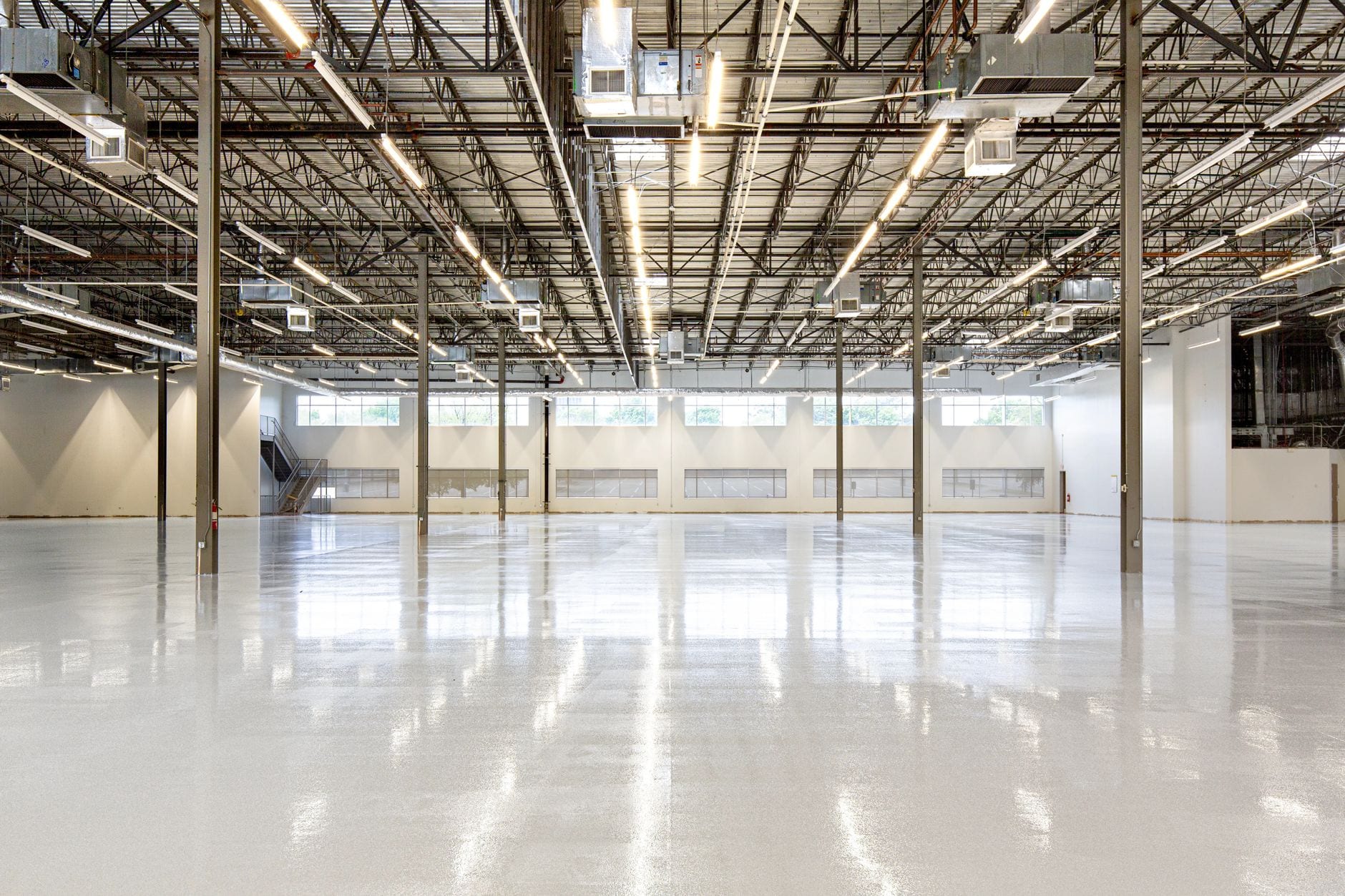
Masonry & Concrete Recruiting
Bricklayers, concrete finishers, restoration masons, and the estimators and PMs who run the jobs. It is a small, specialized labor pool. We build the standing pipeline that keeps it staffed instead of leaving you to find one qualified hire at a time.
How do you hire masons and concrete finishers in 2026?
Hiring masons and concrete finishers in 2026 means recruiting inside a genuinely small, specialized labor pool.
The Bureau of Labor Statistics tracks brickmasons and blockmasons, stonemasons, and cement masons and concrete finishers as three separate, comparatively small occupations, and none of them are growing quickly. Unlike bigger trades, this hiring rarely happens through open job-board search; most of it runs on referral networks and existing trade relationships, which is exactly why a standing, pre-vetted pipeline outperforms posting-and-praying every time a seat opens. My Trade Talent builds and maintains that pipeline on a flat monthly retainer, continuously sourcing bricklayers, concrete finishers, restoration masons, estimators, and masonry/concrete PMs across 100+ US markets so open seats fill with vetted people, not guesses.
A small trade, and search demand shows it.
Masonry and concrete is a narrower, more specialized labor market than most trades we recruit for, and the search data reflects that. People search for what a mason earns and how to get licensed far more than they search for hiring help, which tells you where the attention in this trade actually sits.
This is a niche market. We are not going to oversell it.
"Masonry salary" draws roughly 390 searches a month, with pay-rate and job-salary variants adding several hundred more. Call it roughly 900 combined monthly searches across the salary cluster (SEMrush Keyword Magic Tool). Certification and licensing terms ("masonry certification," "masonry license," "licensed masonry contractor") add another 350 or so combined. Search volume for hiring help ("hire a mason" and similar) sits at a fraction of that, around 50 combined searches a month. That gap is the honest picture of this market: candidates and researchers are curious about pay and licensing; almost nobody is typing "hire a mason" into Google, because that hiring almost always happens through referral networks, trade contacts, and specialty staffing relationships rather than open search.
That does not mean the labor is easy to find. It means the shortage does not show up as search volume the way it does in bigger trades. Brickmasons and blockmasons, cement masons and concrete finishers, and stonemasons are each tracked as separate, comparatively small occupations by the Bureau of Labor Statistics, and none of them are growing fast. Restoration and tuckpointing work (historic masonry repair) is its own specialty within that already-small pool, and it is even harder to staff because it requires masons who can match existing mortar, brick, and stone rather than just set new material to a modern spec.
Workforce age · BLS 2025
This trade runs 0.4 years older than the American workforce as a whole, which is unusual among the commercial trades and worth planning around. The people who supervise it are another 3.9 years further on. That gap is where hiring gets hard: you can find technicians, and you cannot quickly find someone who has been doing it long enough to run a crew.
Promoting from inside takes as long as it takes. If you need someone who can run work now, you are hiring from a pool of people who already have jobs, which is a different job than posting a listing.
Cement masons and concrete finishers are markedly younger at 39.2 — this trade is two labor markets, not one.
Source: U.S. Bureau of Labor Statistics, Current Population Survey, Table 11b (2025 annual averages). See all 20 trades compared →
The 10 most-recruited Masonry & Concrete roles.
These are the positions we maintain active pipelines for in masonry and concrete. Several of these roles are grouped under broader BLS occupational codes since the trade does not have a dedicated code for every specialty. We note that explicitly rather than force a number that does not exist.
What Masonry & Concrete roles pay nationally.
BLS puts the national median for brickmasons and blockmasons at $62,120 a year, $44,820 at the tenth percentile and $100,010 at the ninetieth, across 52,550 people employed. Bricklayer / Mason and Restoration Mason sit inside one BLS occupation, so one figure covers all of them - the gap between the tenth and the ninetieth percentile is where that difference shows up. Metro-level medians for these occupations are on each market page below.
| Roles | National median | 10th-90th percentile | Employed nationally |
|---|---|---|---|
| Bricklayer / Mason · Restoration MasonBrickmasons and Blockmasons (47-2021) | $62,120 | $44,820 - $100,010 | 52,550 |
| Concrete FinisherCement Masons and Concrete Finishers (47-2051) | $57,020 | $39,190 - $85,480 | 206,170 |
| Concrete Form Setter / CarpenterCarpenters (47-2031) | $60,580 | $40,410 - $99,910 | 670,090 |
| Masonry ForemanFirst-Line Supervisors of Construction Trades and Extraction Workers (47-1011) | $79,920 | $53,280 - $128,260 | 812,210 |
| Concrete Pump OperatorOperating Engineers and Other Construction Equipment Operators (47-2073) | $59,850 | $42,190 - $101,090 | 478,090 |
| EstimatorCost Estimators (13-1051) | $78,740 | $48,530 - $130,820 | 224,220 |
| Project ManagerConstruction Managers (11-9021) | $114,990 | $69,690 - $189,440 | 380,360 |
| Precast Concrete TechnicianMolders, Shapers, and Casters (51-9195) | $46,170 | $35,850 - $61,530 | 33,190 |
| Concrete Testing TechnicianCivil Engineering Technologists and Technicians (17-3022) | $64,950 | $44,220 - $98,980 | 68,520 |
BLS Occupational Employment and Wage Statistics, May 2025, national, cross-industry, all ownerships. Where several of the roles above share one BLS occupation the row names them together, because BLS publishes one figure for the occupation rather than one per job title.
Three resources to hire smarter in Masonry & Concrete.
Each one is built specifically for masonry and concrete contractors, not generic recruiting advice. All free. Written by people who do this work every day.
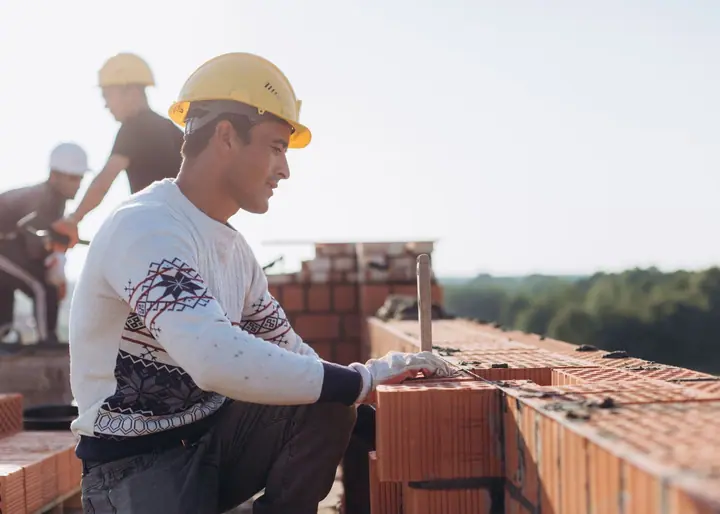
A focused guide on hiring, vetting, and retaining masons and concrete finishers in a small, referral-driven labor pool. Role-specific recruiting playbooks and a candid look at what works.
Download Definitive Guide to Masonry & Concrete →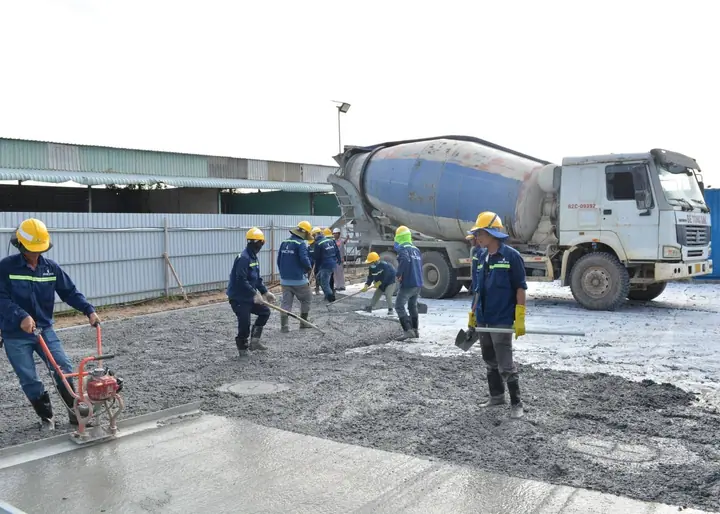
Compensation benchmarks for all 10 Masonry & Concrete positions across 9 U.S. Census Divisions. Built from BLS Occupational Employment Statistics data plus our own placement records.
Download 2026 Masonry & Concrete Salary Guide →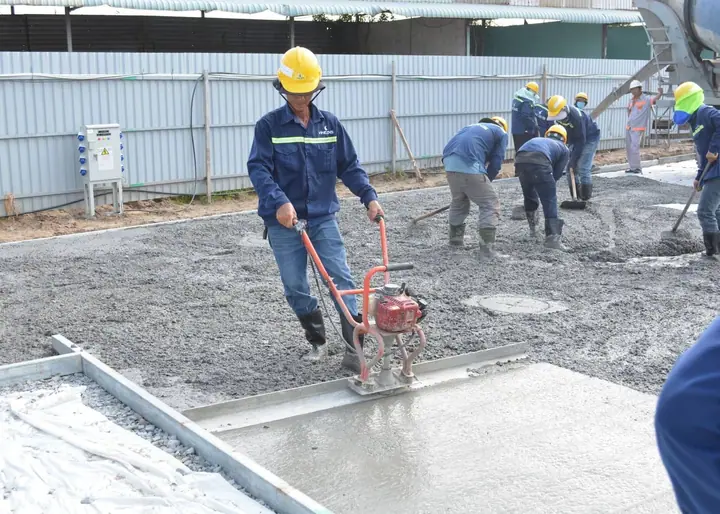
A simple, practical framework for interviewing masonry and concrete candidates. Three structured steps to evaluate technical fit, motivational fit, and culture fit, without wasting your time or theirs.
Download 3-Step Interview Guide for Masonry & Concrete →What credentials matter, and what kills offers.
Most searches in this trade fail after the offer rather than before it. These are the credentials that actually gate the work, and the things that most often end a hire between the handshake and the first morning. Every credential below links to the body that issues it. What varies by state is the licensing rule, which is set out on each market page.
The credentials that gate the job
- ACI Concrete Flatwork Finisher, with Associate below it and Advanced Finisher aboveAmerican Concrete Institute (ACI)
The national flatwork credential specifiers name. Finisher requires 1,500 hours of actual on-the-job finishing experience, roughly a year full time, plus a performance exam covering placing, consolidating, finishing, edging, jointing, curing and initial protection. Valid five years. Note the renaming: Associate was Technician and Finisher was Tradesman, so older resumes carry the old names.
- ACI Concrete Field Testing Technician, Grade IAmerican Concrete Institute (ACI)
What allows someone to sign off field acceptance testing on most commercial pours, covering seven ASTM methods including slump, air content, density and field specimens. Written and performance exams, valid five years, with recertification by retaking both.
- NCCER masonry curriculum and journey-level Mason assessmentNational Center for Construction Education and Research (NCCER)
The main portable non-union masonry credential, a three-level curriculum NCCER states complies with US Department of Labor apprenticeship standards, plus a journey-level assessment. Credentials are employer-verifiable and travel between metros, which matters in a trade that follows the work.
- Silica competent person designation under OSHA 29 CFR 1926.1153Designated by the employer under the OSHA respirable crystalline silica construction standard
Every cutting, grinding, mixing and tuckpointing crew needs a written exposure control plan and a designated competent person able to identify hazards, authorised to correct them and inspecting frequently. Being that named person is a distinct and pay-relevant role.
What most often kills an offer
- Silica medical surveillance arrives weeks after the start date
Surveillance becomes mandatory once someone must wear a respirator 30 or more days a year, with the initial exam inside 30 days of assignment and including a chest X-ray, a pulmonary function test and TB screening. Candidates accept a cutting role and then face tests they did not expect, which produces both withdrawals and genuine restrictions after the crew is staffed.
- The 1,500 hours cannot be documented
ACI Concrete Flatwork Finisher needs 1,500 hours of finishing experience evidenced, plus the performance exam. Finishers who worked cash, as 1099s, or for contractors since gone under often cannot prove the hours. If the job was sold on spec language requiring certified finishers, a capable candidate is unusable on that job.
- Weather decides the paycheque
BLS notes masons work mostly outdoors and that inclement weather affects their schedules. Candidates arriving from indoor or year-round hourly work accept, then leave when the first rain-out or cold snap cuts a week. It is the most common trade-specific reason a masonry offer is accepted and then abandoned inside two months.
- The telehandler card does not transfer
Powered industrial truck certification is issued by the employing organisation, and previous training counts only where the new employer can demonstrate it applies to their equipment and site. A mason tender hired partly for lift capability cannot be used that way on day one.
Researched from each issuing body and from federal and state agency sources. Licensing and certification rules change; the links above are the authority, not this page.
Hiring questions for Masonry & Concrete
How much do masons and concrete finishers make?
There is no single "masonry" wage figure because the Bureau of Labor Statistics tracks these as separate occupations. Brickmasons and blockmasons carry a national median of roughly $62,120 a year (about $29.87/hour); cement masons and concrete finishers run lower, around $57,020 a year (about $27.41/hour); stonemasons sit similarly around $57,390 a year (about $27.59/hour). These figures reflect current BLS-sourced wage data via O*NET OnLine. All three move a lot by metro and by specialty; restoration and tuckpointing masons in particular tend to command more than the general median because that work is harder to staff.
What certifications should I look for when hiring a concrete finisher or mason?
For concrete testing and quality-control roles, look for an ACI (American Concrete Institute) Field Testing Technician credential: it is the standard most state DOTs and specs require for anyone testing fresh concrete on a job site. For masons and finishers themselves, there is not a single universal license the way there is in some trades; look instead at documented years in the specific work (flatwork vs. vertical brick vs. restoration are different skill sets) and ask for references you can actually call.
Why is masonry and concrete hiring different from other trades?
It is a smaller, more specialized labor pool, and the search data shows it: people searching online for masonry topics are almost entirely looking up pay rates and licensing information, not typing "hire a mason" into Google. That hiring happens through referral networks and existing trade relationships far more than open job postings, which is exactly why a maintained pipeline of vetted candidates outperforms reactive posting in this trade specifically.
What is a restoration mason, and do I need one?
A restoration mason specializes in tuckpointing and historic masonry repair: matching existing mortar composition, brick or stone color, and joint profile rather than setting new material to a modern spec. You need one specifically any time the scope involves an existing building rather than new construction; a general bricklayer without restoration experience can do real damage to a historic facade by using the wrong mortar mix or technique.
Should I use a staffing agency or hire directly for masonry and concrete roles?
It depends on how consistently you have open seats and how niche the role is. Generalist contingency agencies often do not have a deep bench in a trade this specialized. A recruiting partner that maintains a standing, vetted pipeline specific to masonry and concrete (rather than sourcing reactively per req) tends to fill faster and with better-fit candidates, especially for harder-to-staff specialties like restoration or precast.
What should I ask a mason or concrete finisher in an interview?
Ask about specific project types they have finished, not just years of experience: flatwork, vertical brick, block, and restoration all draw on different muscle memory. For finishers, ask how they handle a pour in weather outside the ideal range (too hot, too cold, or too wet) since that is where inexperience shows up fastest. For any restoration or tuckpointing candidate, ask them to describe how they matched mortar on a past project. A real answer includes testing and adjusting the mix, not just "I made it look the same."
Masonry & Concrete hiring intel, by metro.
Each of these market pages covers current wages by role, real hiring conditions, and what it takes to win the hire in that specific metro.
We publish how long our own searches actually take. Across every trade the median is 21 days over 88 timed searches in 2026 year to date. We have not closed enough Masonry & Concrete searches yet to break that out - the Hiring Index shows which trades we have. Figures are calendar days from our first contact with the candidate to the hire.
Every hire from zero is a tax on your team.
Every week a seat sits open, the rest of your crew is covering for it. Every contingency fee you pay is money that didn't go toward growth. There's a better model. Let's build your pipeline.
Schedule a Discovery Call