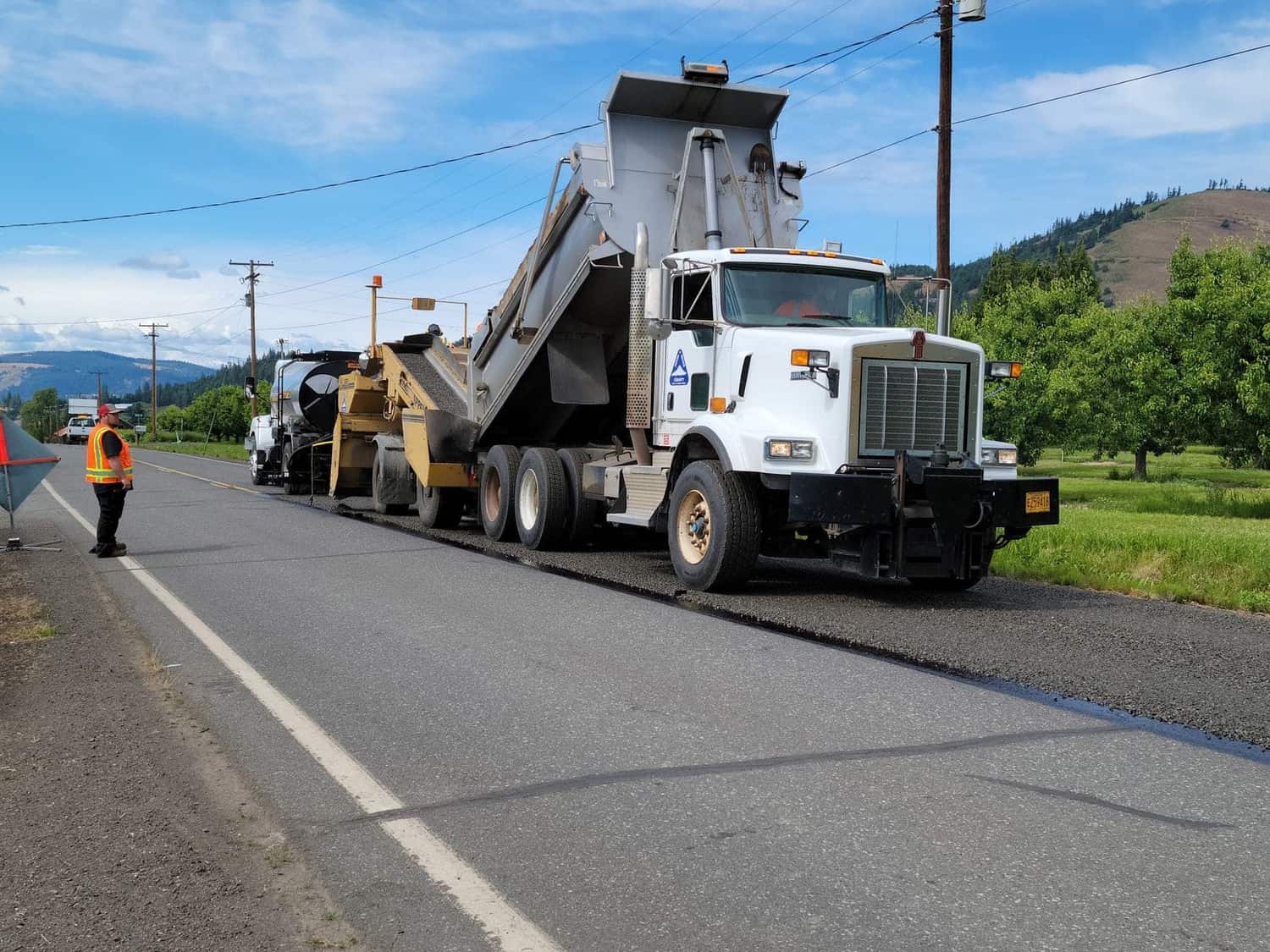
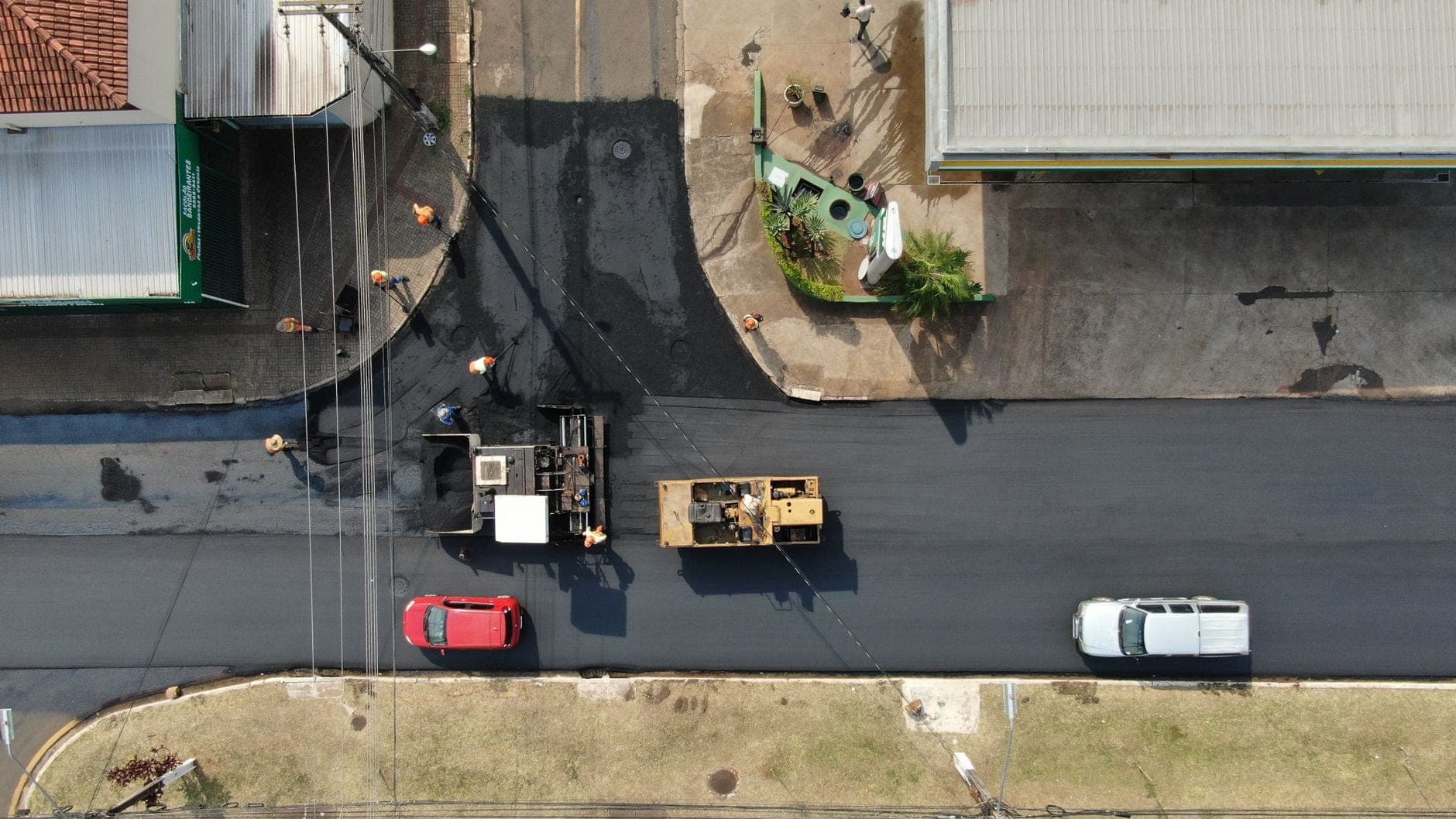
Paving & Asphalt hiring kit

How to hire for Paving & Asphalt.

To hire for paving & asphalt well, My Trade Talent's Paving & Asphalt hiring kit takes all 3 roles we recruit in order: what each seat is and what it pays, the technical questions that test it, the 3 credentials to verify, and what can kill the offer between acceptance and the first day.

3 roles: Asphalt / Paving Operator, Paving Foreman, Screed Operator. Free, with nothing to fill in. If you would rather a recruiter ran the search, that is the Paving & Asphalt recruiting page.

Step 1 · Plan

What each paving & asphalt seat is, and what it pays.

Each band is labelled with where it comes from. A My Trade Talent band is mid-experience, built from our own engagement history, and moves with experience and region. A BLS band is the federal 10th to 90th percentile, national and unadjusted, used where we have not closed enough searches in the trade to publish our own.

Paving & Asphalt roles, pay bands and credentials
RolePay bandCredentials that move an offer
Asphalt / Paving OperatorRuns the equipment that places and compacts asphalt: paver, roller, milling machine, skid steer and distributor, depending on the day and the crew. $55,000 to $80,000My Trade Talent mid-experience band, built from our own engagement history. Experience and region move it; the salary calculator applies both. CDL
Paving ForemanRuns the paving crew and the day: grade and base verification, truck and mix scheduling against plant output, joint construction, rolling pattern, traffic control and the handoff to striping. $70,000 to $105,000My Trade Talent mid-experience band, built from our own engagement history. Experience and region move it; the salary calculator applies both. CDL
Screed OperatorOperates the screed on the back of the paver: sets and holds thickness and crown, manages the augers and the head of material, follows grade references, and produces the surface the rollers only compact. $58,000 to $82,000My Trade Talent mid-experience band, built from our own engagement history. Experience and region move it; the salary calculator applies both. None that reliably moves an offer

We have closed 4 paving & asphalt searches in 2026 year to date, too few to publish a median for the trade, so this is the all-trades figure: My Trade Talent's median commercial trades hire took 21 days across 88 searches closed in 2026 year to date, counted as calendar days from our first contact with the candidate to the hire. The full distribution is in the Hiring Index.

Price the seat by experience and region in the salary calculator, and work out what leaving it open costs in the cost of vacancy calculator.

Step 3 · Interview

How to interview for each paving & asphalt role.

Everyone who applies will claim the experience. These are the questions that test it, the signals that separate a strong candidate from a plausible one, and the mistake each seat invites.

Asphalt / Paving Operator

My Trade Talent band

Runs the equipment that places and compacts asphalt: paver, roller, milling machine, skid steer and distributor, depending on the day and the crew. Reads the mat as it comes out and tells the crew what the mix and the screed are doing before the roller locks the mistake in.

Questions that find out

  1. The mat is tearing behind the screed. What are you checking first?
  2. How does your rolling pattern change on a cold night versus a hot afternoon?
  3. When do you stop paving rather than place a load you are unsure about?

What a strong candidate shows

  • Names the specific machines run and the mix types placed, not "paving equipment"
  • Describes rolling pattern and mat temperature as linked decisions
  • Has run night work and understands what cooling time does to the pattern

The mistake this seat invites. Hiring on hours in a seat. The operators worth having are the ones who read the mat and speak up; that is not on a resume.

Paving Foreman

My Trade Talent band

Runs the paving crew and the day: grade and base verification, truck and mix scheduling against plant output, joint construction, rolling pattern, traffic control and the handoff to striping. The foreman decides whether the surface placed will meet smoothness and density before anyone tests it.

Questions that find out

  1. Trucks are arriving fifteen minutes apart on a job that needs continuous paving. What do you do?
  2. How do you build and compact a longitudinal joint?
  3. Density came back short on a lot. How do you find out why?

What a strong candidate shows

  • Treats truck sequencing and plant coordination as part of quality, not logistics
  • Can describe building a longitudinal joint that will not ravel
  • Has owned density and smoothness results, including a failing one

The mistake this seat invites. Promoting the best operator. Running the crew is a scheduling and coordination job, and the two skills do not always live in the same person.

Screed Operator

My Trade Talent band

Operates the screed on the back of the paver: sets and holds thickness and crown, manages the augers and the head of material, follows grade references, and produces the surface the rollers only compact. The screed decides the smoothness number.

Questions that find out

  1. What causes a repeating ripple in the mat and how do you stop it?
  2. When would you run a 30-foot ski rather than a shorter reference?
  3. Your head of material keeps swinging. What is happening upstream?

What a strong candidate shows

  • Understands head of material as the primary variable rather than screed adjustment
  • Has used stringline, ski and averaging beam references and knows when each applies
  • Can describe chasing and fixing a recurring bump without over-correcting

The mistake this seat invites. Treating this as an entry rung behind the paver operator. Smoothness incentives and penalties land on this seat, and experienced screed hands are the scarcest part of a paving crew.

Every role in every trade is in the interview question bank.

Step 4 · Offer

What can kill a paving & asphalt offer before day one.

The things that end an accepted offer between the yes and the start date, specific to this trade and each sourced.

  • The experienced hire who cannot set foot in the pit

    A candidate with fifteen years of road and site work has OSHA training and no MSHA training, and those do not substitute for one another. Part 46 requires 24 hours of new miner training before a new miner works at a covered operation, so a hire made for the aggregate side of the business starts three days behind whatever the start date says. Worth knowing when the requisition is written, not when the crew is short.

    Source: www.ecfr.gov/current/title-30/chapter-I/subchapter-H/part-46
  • Treating an ATSSA certification as a same-week fix

    It is not a card you buy. The candidate has to complete the course, pass the final examination at 80% or better, and submit an application with two references familiar with their work history. If a DOT award is contingent on a certified Traffic Control Supervisor being on site, hiring someone who intends to certify buys weeks of exposure, not days. Ask whether they hold it now and when it expires.

    Source: www.atssa.com/training-certification/certification-recertification/
  • The promotion that quietly creates a training obligation

    The federal rule attaches training to "the job decisions each individual is required to make". Move a good operator into a foreman seat where they start making traffic control decisions and the requirement changes with them, and states must also "require periodic training updates". Internal promotions are where this is missed, because nobody treats a promotion as a new hire and nobody rechecks the training file.

    Source: www.ecfr.gov/current/title-23/chapter-I/subchapter-G/part-630/subpart-K/section-630.1008

Add up the whole offer, not just the base, in the offer calculator.

Step 5 · Onboard

Credentials to verify before the first day.

Each names the body that issues it and links to the issuer's own page or a .gov page. Researched 2026-09-23; re-read the source before relying on an entry.

  • ATSSA work zone certifications: Traffic Control Technician, Traffic Control Supervisor, Flagger and the rest

    American Traffic Safety Services Association

    Twelve separate designations rather than one, among them Traffic Control Technician, Traffic Control Supervisor, Traffic Control Design Specialist, Pavement Marking Technician, Truck-Mounted Attenuator Operator and Flagger. Each takes the associated course and a final examination passed "with a grade of 80% or better", plus an application carrying "two references familiar with your work history". Certifications are "valid for up to four (4) years" and have to be renewed. ATSSA also notes that "Flagger certification length and standards vary by state".

    Source: www.atssa.com/training-certification/certification-recertification/
  • Work zone training required by 23 CFR 630.1008(d)

    Federal Highway Administration, through each State transportation department

    The rule behind the cards, and it is broader than most contractors assume. States "shall require that personnel involved in the development, design, implementation, operation, inspection, and enforcement of work-zone-related transportation management and traffic control be trained, appropriate to the job decisions each individual is required to make", and "shall require periodic training updates". The obligation is pinned to the decisions a person makes, not to their job title, so it moves when they do.

    Source: www.ecfr.gov/current/title-23/chapter-I/subchapter-G/part-630/subpart-K/section-630.1008
  • MSHA Part 46 new miner training, for anyone working the pit

    Mine Safety and Health Administration, 30 CFR Part 46

    The rule most paving contractors meet only when they buy a pit. Part 46 governs training at "shell dredging, sand, gravel, surface stone, surface clay, colloidal phosphate, or surface limestone mines", which is where a great many paving companies get their aggregate. It requires "no less than 24 hours of training" for each new miner and "no less than 8 hours of annual refresher training" thereafter. This is MSHA, not OSHA: it is a separate regulator with a separate training record.

    Source: www.ecfr.gov/current/title-30/chapter-I/subchapter-H/part-46

Licensing in paving & asphalt is set state by state, and this kit does not yet carry a state-by-state entry for it. Check with the licensing board in the state where the seat is. Open the credential check for Paving & Asphalt.

Step 6 · Retain

Where each role goes next.

Candidates ask about the next step in the first conversation, and an employer who can answer it keeps the people who had other options. Say it on day one, too.

  • Asphalt / Paving Operator

    Operators move to lead operator and then foreman, and milling and screed work pay better than general equipment time.

  • Paving Foreman

    Paving foremen move to superintendent or operations manager, and some move into estimating.

  • Screed Operator

    Screed operators move to paver operator and then foreman, and smoothness-bonus work follows them.

Questions

Hiring for paving & asphalt: questions.

What interview questions should I ask when hiring for paving & asphalt?

My Trade Talent's Paving & Asphalt hiring kit carries three technical questions for each of its 3 roles. For the Asphalt / Paving Operator, the first is: "The mat is tearing behind the screed. What are you checking first?" The full set, with the signals that separate a strong answer, is on this page and in the interview question bank.

What credentials should I verify when hiring in paving & asphalt?

The Paving & Asphalt kit lists 3, each with its issuing body and a primary source: ATSSA work zone certifications: Traffic Control Technician, Traffic Control Supervisor, Flagger and the rest, Work zone training required by 23 CFR 630.1008(d) and MSHA Part 46 new miner training, for anyone working the pit.

What can kill a paving & asphalt job offer before the start date?

The Paving & Asphalt kit names 3, each sourced: The experienced hire who cannot set foot in the pit, Treating an ATSSA certification as a same-week fix and The promotion that quietly creates a training obligation.

What do paving & asphalt roles pay?

Asphalt / Paving Operator: $55,000 to $80,000 (My Trade Talent band); Paving Foreman: $70,000 to $105,000 (My Trade Talent band); Screed Operator: $58,000 to $82,000 (My Trade Talent band). My Trade Talent bands are mid-experience and move with experience and region; BLS figures are national and unadjusted.

How long does it take to hire in paving & asphalt?

We have closed 4 paving & asphalt searches in 2026 year to date, too few to publish a median for the trade, so this is the all-trades figure: My Trade Talent's median commercial trades hire took 21 days across 88 searches closed in 2026 year to date, counted as calendar days from our first contact with the candidate to the hire.

Trade Talk A monthly hiring brief for commercial trades employers

What changed in your trade this month, and what to do about it.

One email a month, and only one. We write a separate issue for every trade we recruit in, so you get yours - not a round-up with your trade buried in paragraph nine. Every issue is written for the person actually doing the hiring.

  • Where wages moved in your trade, by market, and what that does to your next offer
  • How long roles like yours are taking to fill, and where it is getting worse
  • Interview and screening tactics that are landing candidates this month
  • What contractors competing for the same people are doing differently

Built on federal wage data, our own closed searches, and what we hear on the desk every week. Written for employers, not candidates. No pitch, no filler, one click to leave.

Pick your trade. That is the one issue you get, once a month.

One email a month. Your trade and your address, nothing else - we do not sell either, and you can unsubscribe from the bottom of any issue. Read this month's issue for your trade first →