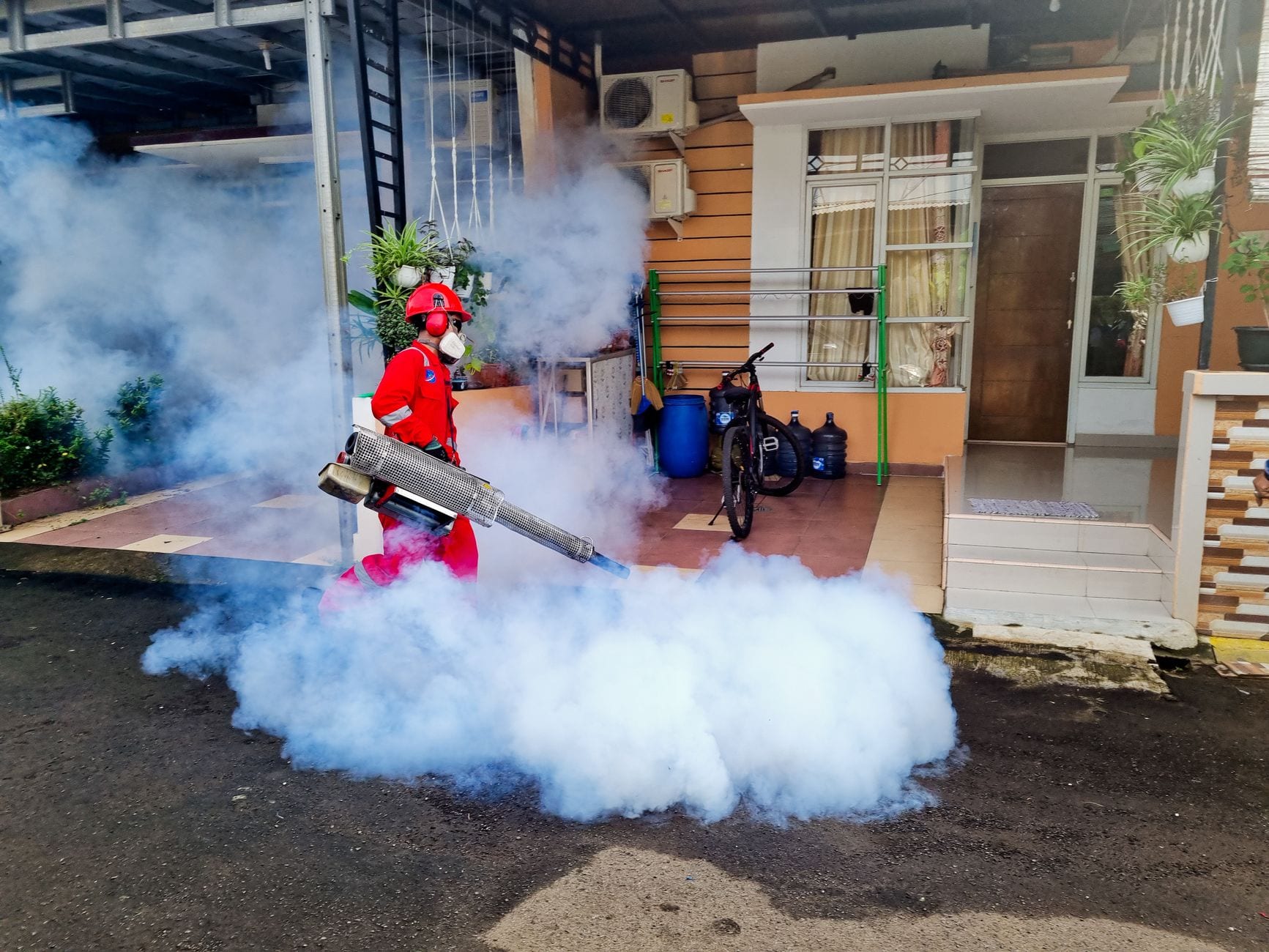
Pest Control Technician (Licensed Applicator)
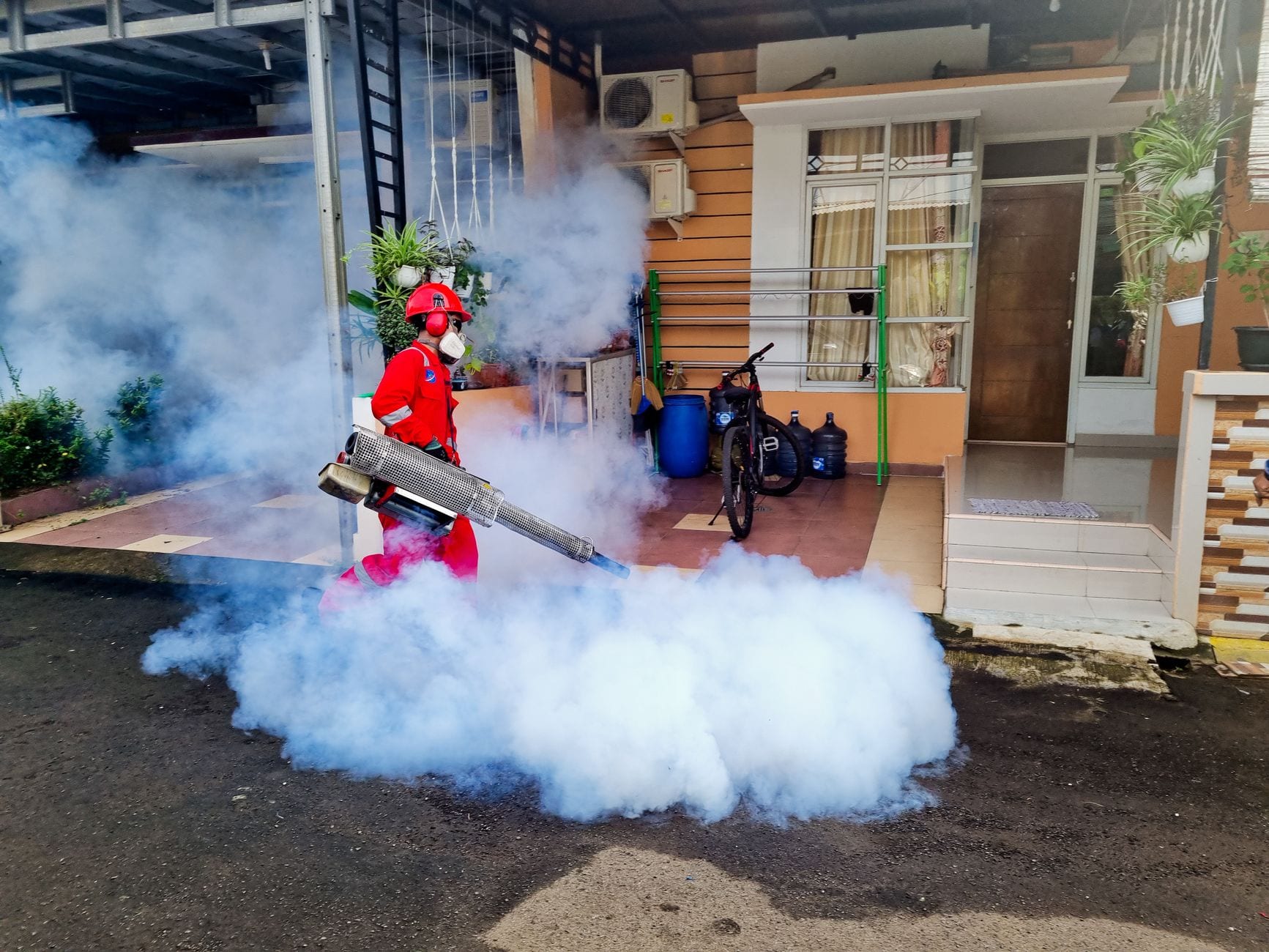
Services commercial accounts under a state applicator licence: inspection, identification, treatment with labelled products at labelled rates, exclusion and sanitation recommendations, monitoring devices, and the documentation that an auditor will read. In food and healthcare accounts the record is as inspected as the result.
Questions that find out
-
Which licence categories do you hold and when do they renew?
A strong answer Names the actual categories rather than saying they are licensed: general pest, structural, fumigation, right-of-way or whatever their state issues, plus whether they hold it personally or work under a certified applicator. Knows the renewal date and the continuing education requirement, and whether their licence travels to a neighbouring state. Can produce the number. Says what work they are not licensed to do.
Follow up with What job would you have to turn down or hand to someone else?
-
A food plant has recurring activity in one zone. How do you work it?
A strong answer Treats one zone as a clue rather than a treatment problem: pulls the trend from the monitoring records to see when and where, then goes and looks for what is different about that zone - a door, a drain, a dock seal, standing water, spillage behind equipment, or a pallet storage practice. Fixes the conducive condition with the plant rather than increasing the treatment. Says that recurring activity in a food plant is a sanitation or exclusion finding, not a pesticide one.
Follow up with What would you look at in that zone before you reach for a product?
-
What goes in your service documentation for a third-party audit?
A strong answer Knows what an auditor opens: the site map with numbered devices, the trend data showing activity over time, the service reports with findings and corrective actions and whether they were closed, the pesticide application records with product, rate, target, location and applicator, the licences and the safety data sheets, and the written programme itself. Says an auditor is checking whether findings get closed, not whether devices are clean.
Follow up with What does an auditor actually look for in the trend data?
-
How do you inspect a commercial kitchen, and in what order?
A strong answer Works a route rather than wandering: starts at the receiving door and the waste area where it comes in, then dry storage, then the line and the equipment, then under and behind everything that does not move - the harbourage is never in the open. Checks drains, voids, motor housings, the dish area and anywhere that is warm and wet. Uses a torch and a mirror. Says the inspection is most of the job and the treatment is the small part.
Follow up with Where do you look in a kitchen that nobody else looks?
-
How do you handle a stinging insect nest on a commercial property?
A strong answer Identifies the species before treating, because the approach differs and some are protected or best left. Assesses the location and the risk to the public, works at the right time of day, wears the right protection, and controls the area while treating. Treats the nest rather than spraying the activity. Returns to confirm and remove where it matters, and advises on the entry point so it is not reoccupied next season.
Follow up with What changes if the nest is over a doorway at a school?
-
How do you decide between treatment and exclusion?
A strong answer Uses treatment to deal with what is inside now and exclusion to stop it coming back, and knows a programme that is all treatment is a permanent cost. Can name the exclusion work that matters - door sweeps, dock seals, gaps around pipes and conduit, roof penetrations, drainage - and what it costs. Makes the case to the client in money rather than in principle. Says treating a building with an open door is pouring product into a hole.
Follow up with What exclusion work pays for itself fastest?
-
What is your approach to monitoring devices and what the data tells you?
A strong answer Treats devices as information rather than as a tick list: placed where activity would actually appear, numbered and mapped, inspected on a schedule, and the catches recorded by device so a pattern shows. Reads the trend - where, when, which species, rising or falling - and acts on it. Says a programme where every device is checked and nothing is ever recorded has thrown away the only data it had.
Follow up with What does a rising count in three adjacent devices tell you?
-
How do you handle a treatment in a facility that cannot shut down?
A strong answer Plans around production: works the shift change or the shutdown window, protects or removes exposed product and food contact surfaces, uses materials and methods with the shortest re-entry that will do the job, and coordinates with the plant's own staff rather than turning up. Posts and notifies as the label and the regulations require. Will refuse to apply something whose label cannot be met in an operating facility.
Follow up with What do you do when the only window is during production?
-
How do you build a treatment plan for a recurring rodent issue in a warehouse?
A strong answer Starts with where they are getting in and what is keeping them there: the dock doors and seals, the perimeter, the roofline and utility penetrations, vegetation and waste outside, and the storage practice inside. Maps activity from the devices to find the runs and the harbourage. Uses the right device in the right place rather than more bait, and sets a schedule with the client's own actions written into it. Measures the result rather than assuming.
Follow up with How do you find out where they are getting in?
-
What is your approach to a bed bug call in a commercial setting?
A strong answer Confirms with evidence rather than treating on a report, because the complaint is often something else. Inspects the specific area and the ones adjacent to it, including furniture seams, soft furnishings and anything hidden. Handles it discreetly because of the reputational stakes, and advises on the staff and visitor side as well as the treatment. Knows resolution usually takes more than one visit and says so up front rather than promising one.
Follow up with How do you confirm bed bugs rather than take the report at face value?
-
How do you handle a client who will not fix the sanitation issue causing the problem?
A strong answer Puts the finding in writing every visit with photographs, so there is a record of what was raised and when, and escalates beyond their site contact when it is not acted on. Explains what it means for their audit score or their licence, which is usually the lever that works. Will keep servicing while doing that, but is honest that the programme cannot solve it. Knows when the account is not worth the liability.
Follow up with What makes you escalate past your day-to-day contact?
-
What is your process for pesticide records and label compliance?
A strong answer Records every application with the product and its registration number, the rate and dilution, the target pest, the location, the date and time, the conditions where relevant, and the applicator, and keeps them for the period the state requires. Treats the label as the law: the sites it is approved for, the rate, the re-entry interval, the posting and notification. Says they have declined to apply something off-label.
Follow up with When did you last refuse to apply something the client asked for?
-
How do you treat around food preparation areas safely?
A strong answer Uses products labelled for food handling areas and applies them where the label allows - crack and crevice rather than broadcast, baits and monitors rather than sprays wherever possible. Covers or removes food, utensils and contact surfaces before treating, and has them cleaned afterwards. Observes the re-entry interval and tells the staff. Says that in a kitchen the right answer is usually bait and sanitation rather than a liquid.
Follow up with What would make you choose a bait over a spray in a kitchen?
-
What is your approach to exclusion work on an older building?
A strong answer Surveys the whole envelope rather than the obvious door: foundation and utility penetrations, vents, roofline and soffits, windows, and wherever two materials meet, knowing an older building has movement and gaps everywhere. Uses durable materials rather than foam alone, because rodents chew through most of it. Prioritises by what is actually being used, and is realistic with the owner about sealing an old building completely.
Follow up with What material do you use to seal a gap a rodent is using, and what will not work?
-
How do you handle an account that is about to fail an audit?
A strong answer Finds out exactly what the auditor will look at and against which standard, then works the gaps in order of what fails them: open corrective actions, missing documentation, device mapping, licences, and the physical conditions. Is honest with the client about what cannot be fixed in the time. Does not clean up the paperwork to hide a condition, because that is worse than the finding when it is discovered.
Follow up with What do you do when the only honest answer is that they will fail?
-
What do you do when you find evidence of a pest outside your licence scope?
A strong answer Reports it rather than ignoring it or treating it anyway. Knows which pests need a different category, a specialist, or a different agency entirely - wildlife, protected species, or something that is a public health notification. Tells the client what they have found and who should deal with it, and documents it. Does not quietly use a product they are not licensed to apply because it is in the van.
Follow up with What have you found that you had to hand to somebody else?
What a strong candidate shows
- Licence and category stated for the state, with renewal and CEU status current
- Identifies before treating, and says so without being prompted
- Has worked audited accounts - food processing, healthcare, warehousing - and knows what the auditor looks for
The mistake
The mistake this seat invites. Hiring on route experience without checking the licence category against the accounts. An applicator licensed for general pest is not licensed for everything the book contains.