
Service Plumber or Construction Plumber? How to Hire the Right Commercial Plumber
A commercial service plumber and a construction plumber share a license, not a workday. Decide which job your opening really is before you post it, then screen for that side's skills and temperament.


Short answer: A commercial service plumber and a commercial construction plumber share a trade, but not a workday. Service plumbers troubleshoot and repair systems in occupied buildings, usually alone and often on call. Construction plumbers install new systems from plans as part of a crew on longer projects. Decide which job your opening really is before you post it, then screen for that side's skills and temperament.
Key takeaways
- Service is diagnosis. Find the problem, fix it, keep the customer informed, and move to the next call.
- Construction is installation. Read the plans, lay out the work, rough it in, trim it out and coordinate with the other trades.
- The temperaments differ. Service rewards independence and customer comfort. Construction rewards crew work and sequencing.
- So does the pay structure. Service often carries on-call and overtime. Construction pay usually follows the project and the crew schedule.
- Crossover hires can work, but plan for it. Most failures come from assuming the skills transfer without a ramp-up.
Two jobs under one title
"Commercial plumber" on a job ad covers two very different days.
- Core work — Service plumber: Troubleshooting and repair: drains, water heaters, backflow testing and repair, fixtures, leaks; Construction plumber: New-build rough-in and trim: layout, sleeves, risers, fixtures, testing
- Where they work — Service plumber: Occupied buildings, with tenants and facility staff around; Construction plumber: Active job sites, often before the building is occupied
- Who they work with — Service plumber: Usually alone, with the customer and the dispatcher; Construction plumber: A crew and a foreman, plus the GC and other trades
- Skills that matter most — Service plumber: Diagnosis, customer communication, truck stock and parts judgment; Construction plumber: Reading plans, layout, sequencing, coordination
- Schedule — Service plumber: Call-driven, with on-call rotation and after-hours work; Construction plumber: Project-driven, tied to the job schedule
- Pay structure — Service plumber: Hourly with overtime and on-call pay common; Construction plumber: Hourly or salary tied to project hours and crew schedule
- What a bad day looks like — Service plumber: Three emergencies and an unhappy property manager; Construction plumber: A missed sleeve, a clash with ductwork and a GC asking why
Neither job is harder, but someone great at one may be miserable at the other.
What a service plumber's day looks like
A commercial service plumber rolls up to a building where something is already wrong: a backed-up floor drain, a dead water heater, a backflow assembly that failed its test. They have to find the cause, explain it to someone who isn't a plumber and fix it with what's on the truck.
They're usually alone, manage their own truck stock and take their turn on call. The best ones are calm problem-solvers who like variety, talk easily with customers and can work in an occupied hospital or retail space without disrupting it.
What a construction plumber's day looks like
A commercial construction plumber works from the plans: setting sleeves before the pour, laying out underground, roughing in walls, running risers, then coming back to trim out and test.
The work is part of a sequence. If rough-in falls behind, drywall waits. If the layout clashes with ductwork, it gets sorted out with the other trades. The best construction plumbers read plans well, think a few steps ahead and are comfortable with a foreman setting the day's priorities on a project that runs for months.
How to tell which one your opening really is
Before you write the ad, answer these honestly:
- Where does the work come from? Service calls and maintenance agreements, or bid jobs with plans and a schedule?
- Who will they work with most days? Customers and a dispatcher, or a foreman and a crew?
- Will they take on-call? If yes, put it in the ad and the offer.
- Do they need a stocked truck? That's a service seat.
- Will they read plans and do layout? That's a construction seat.
If your answers split down the middle, you have a hybrid opening.
Screening questions for each side
Ask questions that only someone who has done the work can answer well.
For a service plumber:
- Walk me through the last drain or water heater call you couldn't fix on the first visit. What did you do next?
- How do you decide what to keep on your truck?
- A property manager is upset that the fix will take two days. What do you tell them?
- How do you handle being on call?
For a construction plumber:
- Walk me through how you lay out a restroom group from the plans.
- Tell me about a time your rough-in clashed with another trade. How was it resolved?
- How do you make sure sleeves are in the right place before a pour?
- What's the largest commercial project you've worked on, and what was your role on the crew?
For more service-side questions, see our interview questions for commercial service journeyman plumbers, or download the full commercial plumbing interview guide.
Why crossover hires fail
Most crossover failures aren't about skill. A strong construction plumber moved into service can still struggle working alone, diagnosing without plans and handling customers. A service plumber moved into construction may chafe at crew structure and repetitive installs.
Schedule is the other trap. Someone who chose construction to avoid on-call won't last in a service seat that requires it. Crossover can work, but ask why the candidate wants to switch and budget time for them to learn the other side.
When a hybrid role makes sense
Smaller contractors often need one plumber for both: service calls most weeks, plus tenant improvements or small installs. That's a real job, and some plumbers like the variety. Say so plainly in the ad, with the rough service-to-install split, the on-call expectation and the reporting line. A vague hybrid ad draws people who wanted one side and quit when they get the other.
What the pay data says
BLS doesn't separate service and construction plumbers. For plumbers, pipefitters and steamfitters as a whole, the May 2025 median was $63,800. The lowest 10% earned less than $44,150 and the highest 10% more than $108,420. BLS projects about 42,000 openings a year for the occupation.
Where your seat lands depends on the side, your market, license level and how much on-call and overtime is involved. Most states license plumbers, so check your state's licensing before you set minimum qualifications. Then check your number with the salary calculator and price the whole package. Our guide to structuring an offer tradespeople won't turn down covers the truck, on-call pay and schedule details. Meanwhile, the cost of vacancy calculator shows what the open seat is costing you.
Why we see this search differently
My Trade Talent recruits direct-hire across 20 commercial trades, with 597+ completed placements since 2022 across 240 distinct position titles. Per our placement data through August 2026, 17 of those were commercial plumbers and pipefitters, and another 26 were electricians and plumbers placed into HVAC-adjacent roles. The first question we ask about a plumbing opening is which side of the trade it sits on, because a search scoped for the wrong side draws the wrong candidates. We work on a flat monthly model, not a percentage of salary, and you can see how we approach the trade on our commercial plumbing recruiting page.
Bottom line
Service and construction plumbing are two different jobs that share a license. Decide which one you're hiring for, write the ad and the screening questions for that side, and be upfront about on-call and project schedules. Our commercial plumbing salary guide will help you set the number, and how to recruit and retain commercial plumbers covers keeping them once they're hired. If you're not sure which side your opening sits on, schedule a discovery call and we'll help you scope it.
About the author
Michael Carter is President of My Trade Talent. He has been building outbound hiring programs since 2014, and commercial-trades talent pipelines since 2021. His work focuses on helping commercial-trades employers build repeatable direct-hire pipelines for hard-to-reach talent.
Frequently asked questions
What's the difference between a service plumber and a construction plumber?
A service plumber diagnoses and repairs problems in existing buildings, usually alone and often on call. A construction plumber installs new systems from plans as part of a crew on a project schedule.
Can a construction plumber switch to service plumbing?
Yes, but it takes adjustment. Diagnosing without plans, working alone and handling customers are new skills for many construction plumbers, so ask why they want to switch and plan for a ramp-up.
Do service plumbers make more than construction plumbers?
BLS doesn't report them separately, so there's no verified national split to quote. Service roles often add on-call and overtime pay, while construction pay follows the project schedule. Set your range by side and market with the salary calculator.
Should I hire one plumber to do both service and construction work?
A hybrid role can work for smaller contractors, as long as the ad states the rough split, the on-call expectation and the reporting line. Vague hybrid roles tend to lose people who only wanted one side.

More on hiring in Plumbing

What We Learned About Commercial Trades Hiring in October 2026
Commercial-trades hiring gets harder as a role combines more dimensions: specialization, credentials, leadership, customer responsibility and financial ownership. The employers that win reduce ambiguity and recruit proactively.
Read article →
Commercial Trades Salary Report — Q4 2026
Q4 pay planning should start with verified federal wage data, then adjust for role scope and local conditions. BLS May 2025 medians: electricians $63,190, HVAC $61,010, plumbers $63,800, construction managers $114,990.
Read article →
Commercial Plumbing Project Manager Salary Guide — 2026
There's no responsible single number for a commercial plumbing PM. Start from verified BLS anchors, $63,800 for plumbers and $114,990 for construction managers, then price the management scope, not just the trade background.
Read article →Who we recruit, and what it produced.
The 3 roles we recruit in this trade
- Journeyman Plumber (Commercial)State License · Medical Gas
- Master PlumberState Master License · Backflow
- Commercial Plumbing PM
Keep going.
Tools, guides, and side-by-side comparisons that pair with this article.
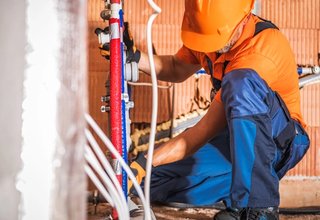
Commercial Plumbing - Whitepaper
Industry hiring analysis - labor market, credentials, what works.
Get the download →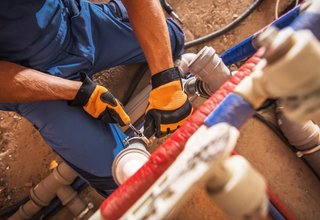
Commercial Plumbing - Salary Guide
What this trade's roles actually pay - by region and credential level.
Get the download →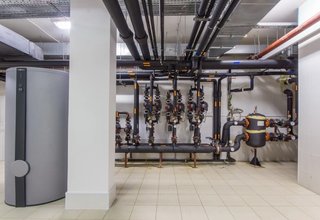
Commercial Plumbing - Interview Guide
Role-specific interview questions and a vetting framework.
Get the download →2026 Salary Calculator
Role × experience × region → 2026 base-salary range. Pairs with every article.
Open the calculator → Free toolCost of Vacancy Calculator
Estimate what that open seat has cost you so far. Most decisions look different after this.
Run the math → Decision aidMy Trade Talent vs Contingency Recruiters
An honest side-by-side: cost, time-to-fill, incentive alignment, predictability.
Read the comparison → Decision aidMy Trade Talent vs Staffing Agencies
Direct hire vs temp / contract-to-hire - hourly mark-ups, buyouts, loyalty problem.
Read the comparison → Decision aidMy Trade Talent vs Internal Recruiting
What DIY recruiting really costs once leadership time is priced in.
Read the comparison → Decision aidMy Trade Talent vs Retained Search
Upfront installments and exclusivity vs a flat monthly fee - and when each model actually fits.
Read the comparison → Decision aidMy Trade Talent vs RPO
Program scale, implementation time and cost structure - the hiring volume where RPO starts to make sense.
Read the comparison →